
Force Fleet Tracking
Improving fleet management for small businesses
Overview
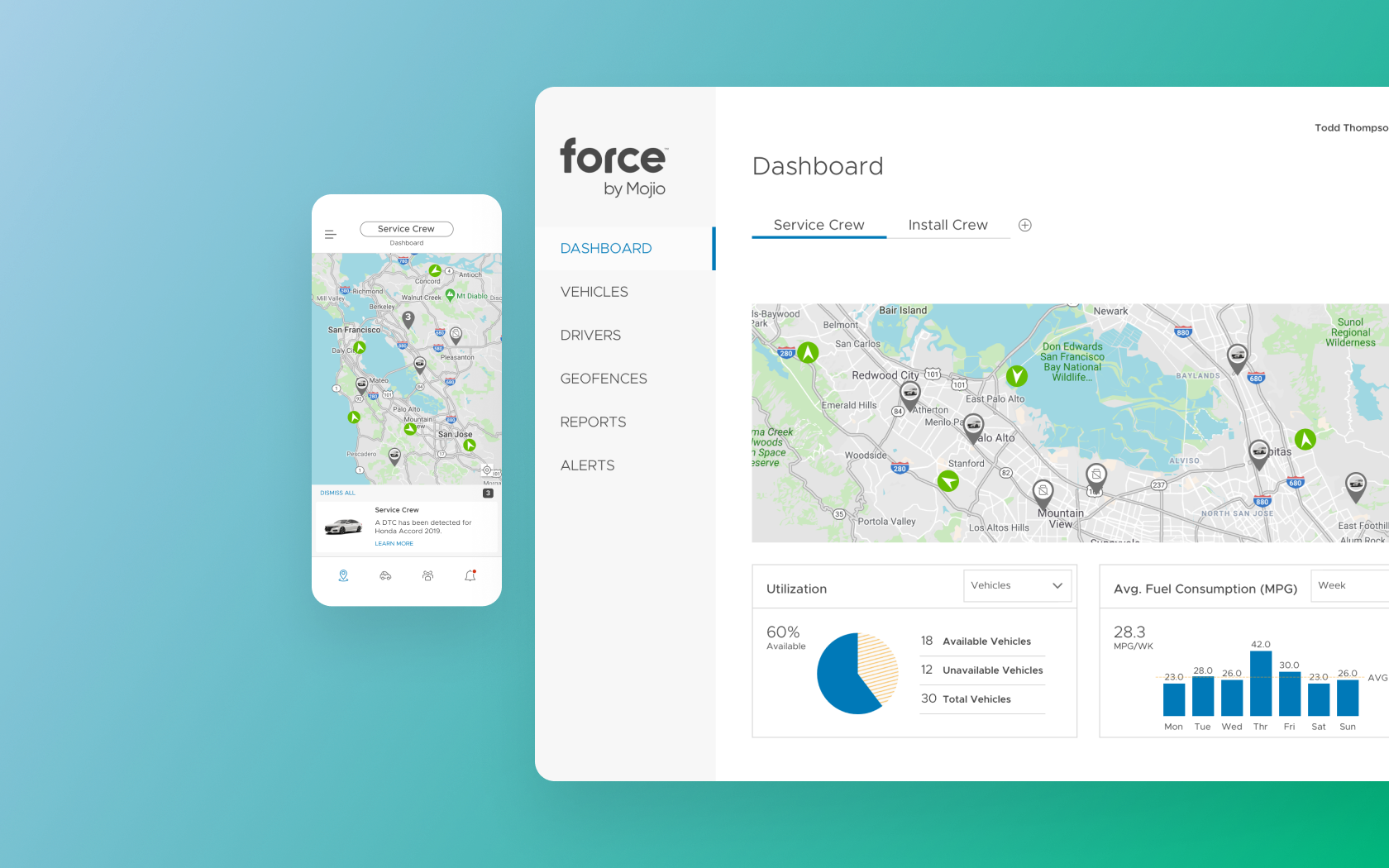
As an established connected car telematics company, Mojio was in a great position to offer a fleet solution for tracking multiple vehicles. Other well-known solutions already existed, so in order for us to enter the market we had to find our niche. Our design team was tasked with researching and developing a web and mobile fleet solution that could leverage our existing hardware and platform.
My role
Sr. Product Designer
The team
- 2 Product Designers (including myself)
- 1 Visual Designer
- 1 Production Designer
- 1 Product Manager
- 3 Engineers
The timeline
About 6 months for MVP

Prepping for UX research
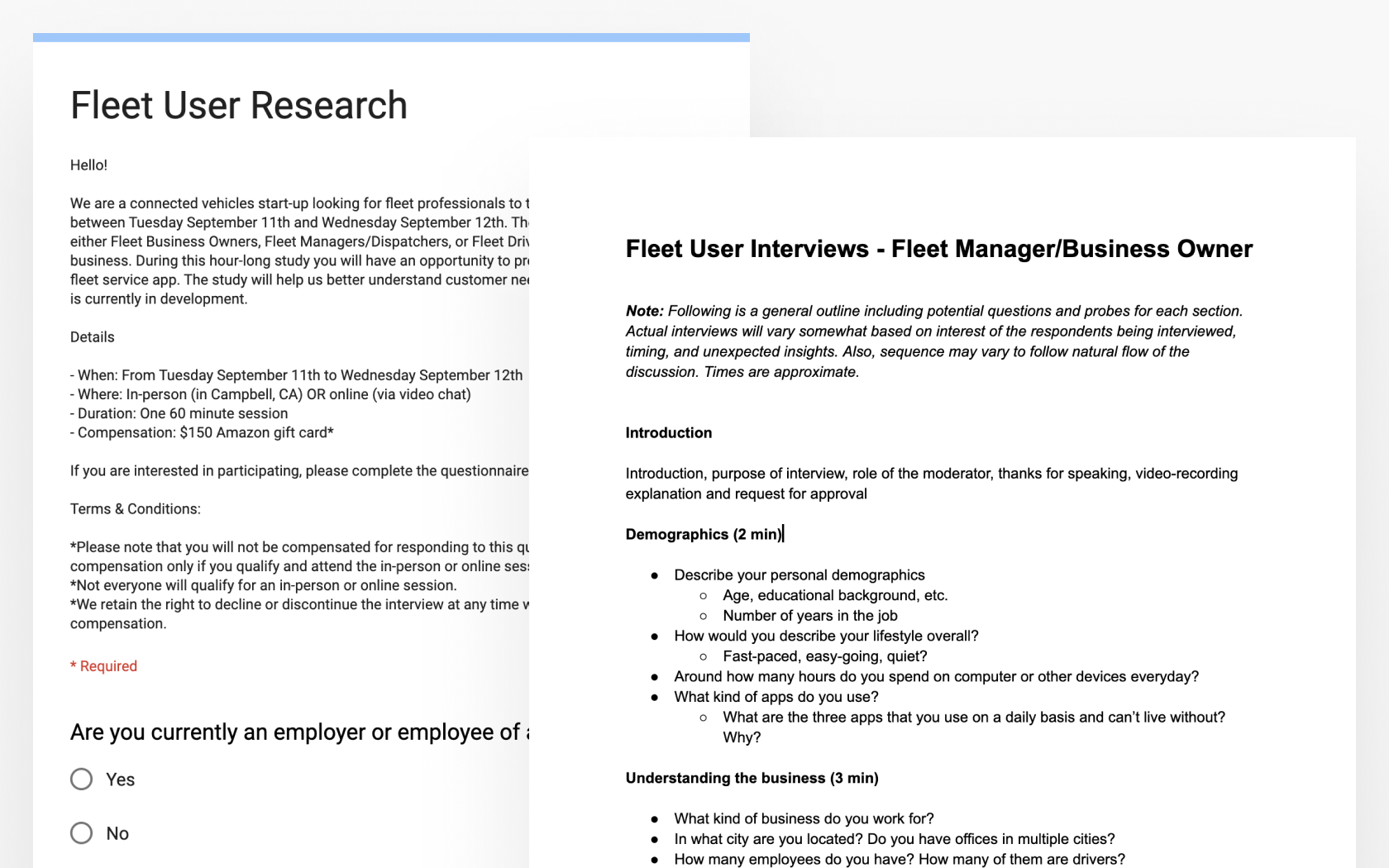
In order to understand the needs for providing a fleet management solution, I teamed up with a another product designer to conduct several interviews with various employees in the fleet industry. Together, we created a discussion guide to help us discover and understand their day-to-day experiences.
Sourcing the right fleet users
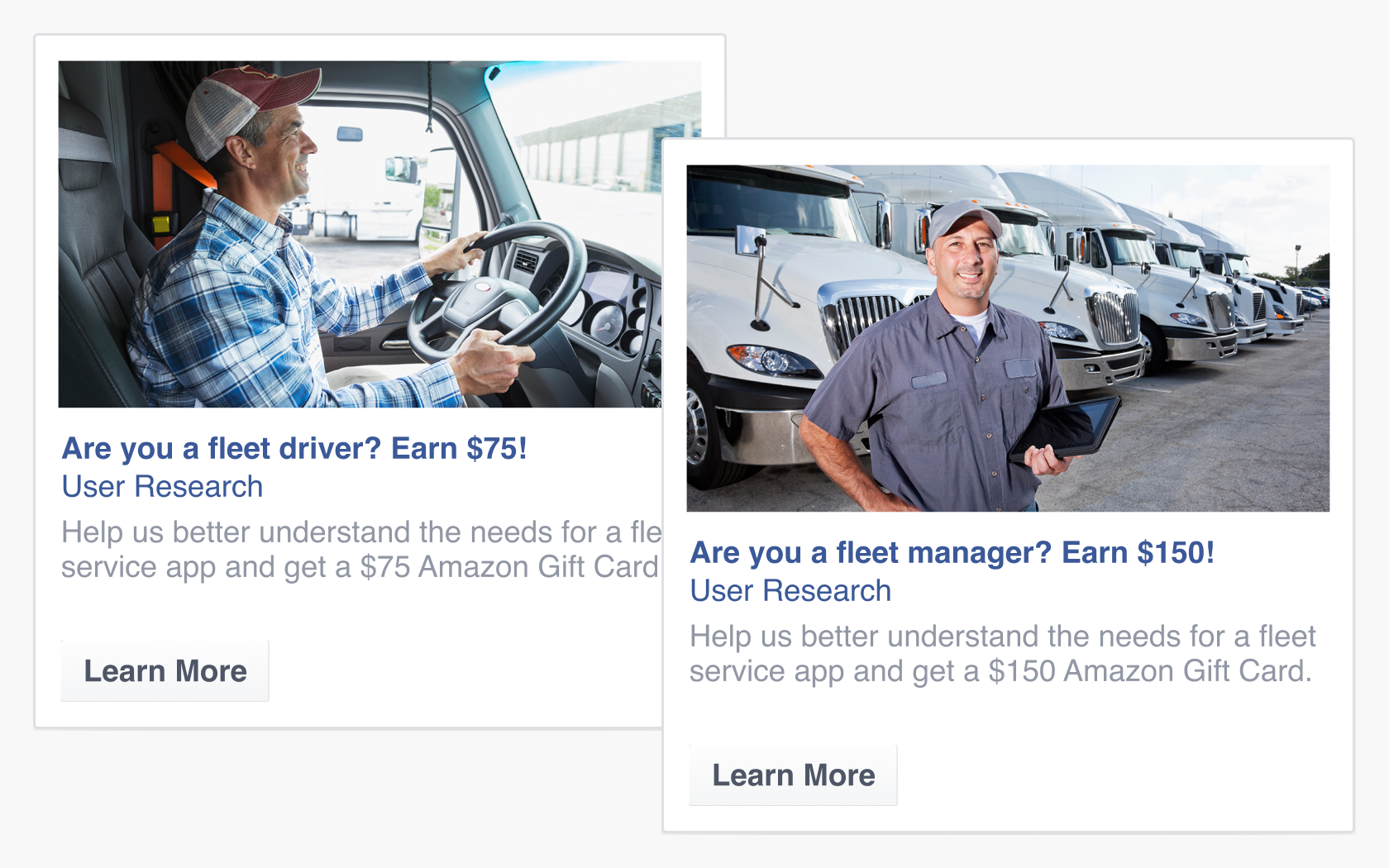
To find the right interview candidates, I worked with our marketing team to create some Facebook ads and recruit fleet business owners, fleet managers, and fleet drivers. We then put together a quick qualification survey to help narrow down our best choices. After interviews with these fleet employees, we found several key pain points and needs.
Uncovering pain points
- Manually keeping track of vehicle fuel or maintenance
- Time consuming process of communicating with drivers to know their locations
- Missed client opportunities due to delays or unforeseen events
- Costly vehicle repairs for unexpected breakdowns or accidents
Understanding needs
- A map of real-time vehicle locations and their statuses
- A way to objectively evaluate driver performance
- A way to manage routes for cost-savings
- Keep track of maintenance to avoid vehicle failures
Sizing up the competition
Alongside our user research, I conducted some analysis of other competitors in the fleet space. Some big contenders, such as Samsara and KeepTruckin (now Motive), offer a whole series of complex features. However, their solutions are geared towards truckers with large rigs in need of maintaining driver and truck compliance within large scale fleets. Our current hardware and platform would only highlight a fraction of what these companies were offering.
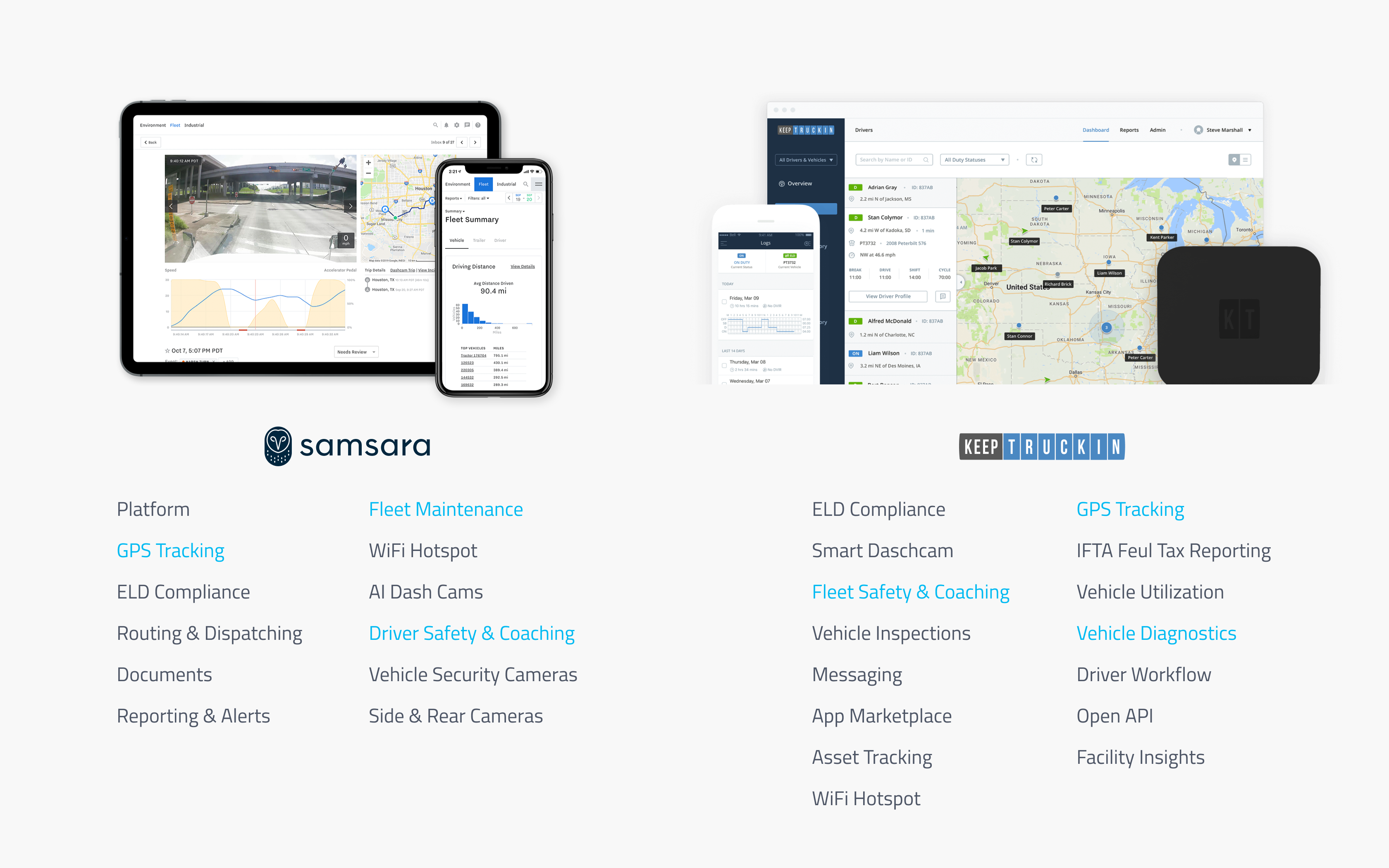
Competitive analysis of big fleet solutions compared to our current hardware and platform offerings in blue.
Pivoting to small fleets
In order to compete in this industry, we would have to invest heavily in new hardware, a new platform, as well as deal with the extensive amount of federal and state mandates and inspections required to manage a trucking business. Instead, our overall research and analysis steered us in the direction towards focusing on local small fleets and providing a much more simple and light solution for managing vehicles and drivers. Fortunately, fleet management for small businesses appeared to be the niche we needed to enter the market.
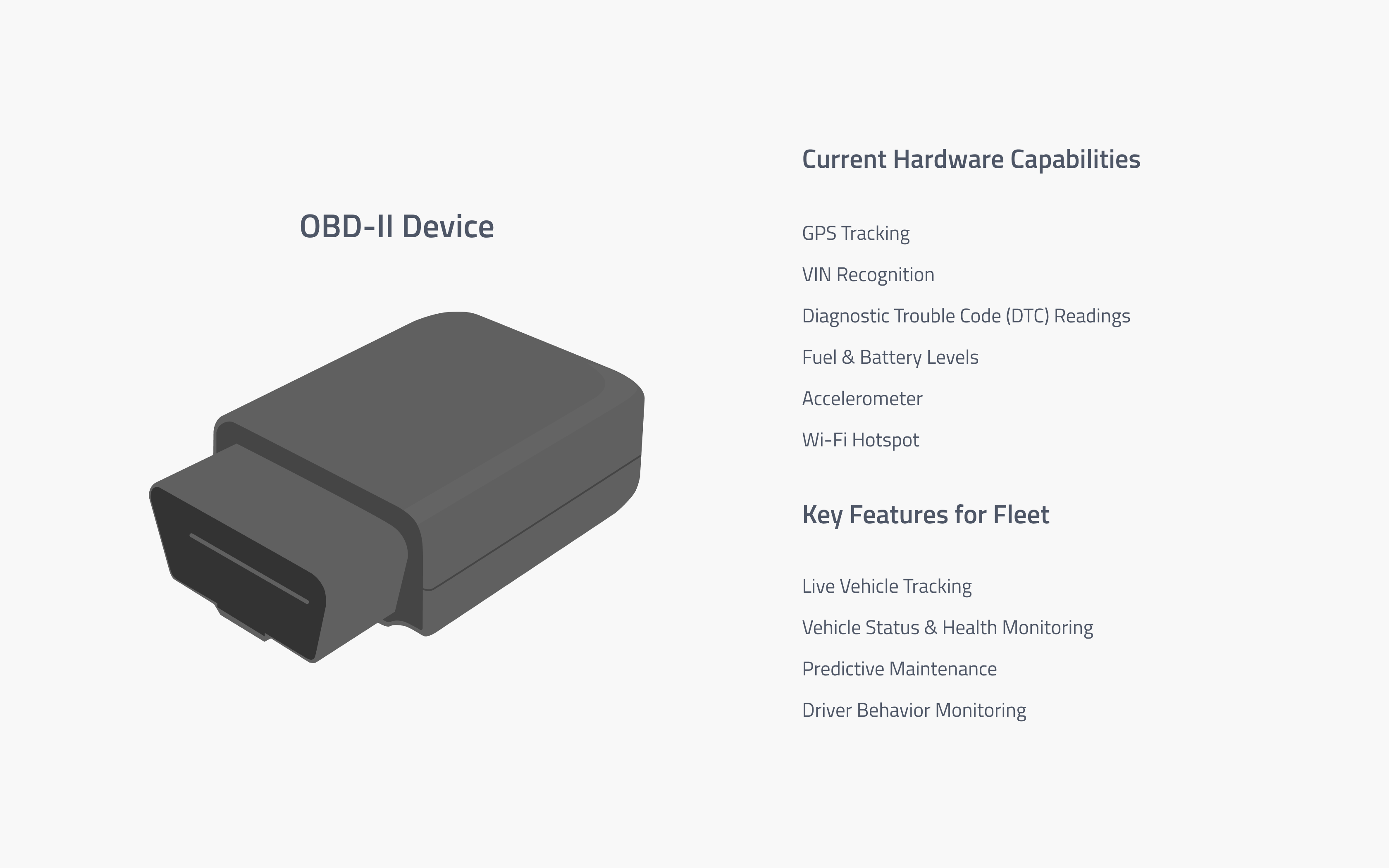
Our existing telematics hardware and the features we could offer based on its capabilities
OUR MISSION
Provide small businesses with a simple and light solution for tracking vehicle location, managing routes, maintaining vehicle health, and monitoring driver behavior.
Refining the PRD
I teamed up with our PM to narrow down the scope of features for our initial designs. I worked closely with our cross-functional stakeholders to make sure these requirements aligned with our given constraints and satisfied the pain points and needs for small-scale fleets. To provide a complete solution, our team would need to design a web app for fleet managers to monitor their fleet. In addition, we would also design companion mobile apps for both fleet managers and their drivers.
Manager app – Web and Mobile
- Live GPS location tracking
- Detailed trip history
- Geofence alerts
- Vehicle health monitoring
- Vehicle health alerts
- Fuel alerts and fuel efficiency monitoring
- Driver safety scores and reports
- Driver acceleration alerts
- Driver speeding alerts
- Driver harsh braking alerts
- Vehicle disturbance alerts
Driver app – Mobile
- Choose a fleet vehicle
- View trip history
- View safety scores and reports
- View driving behavior
Mapping out the user flows
I teamed up with another product designer to build the necessary user flows for the web dashboard, mobile manager app, and driver app.
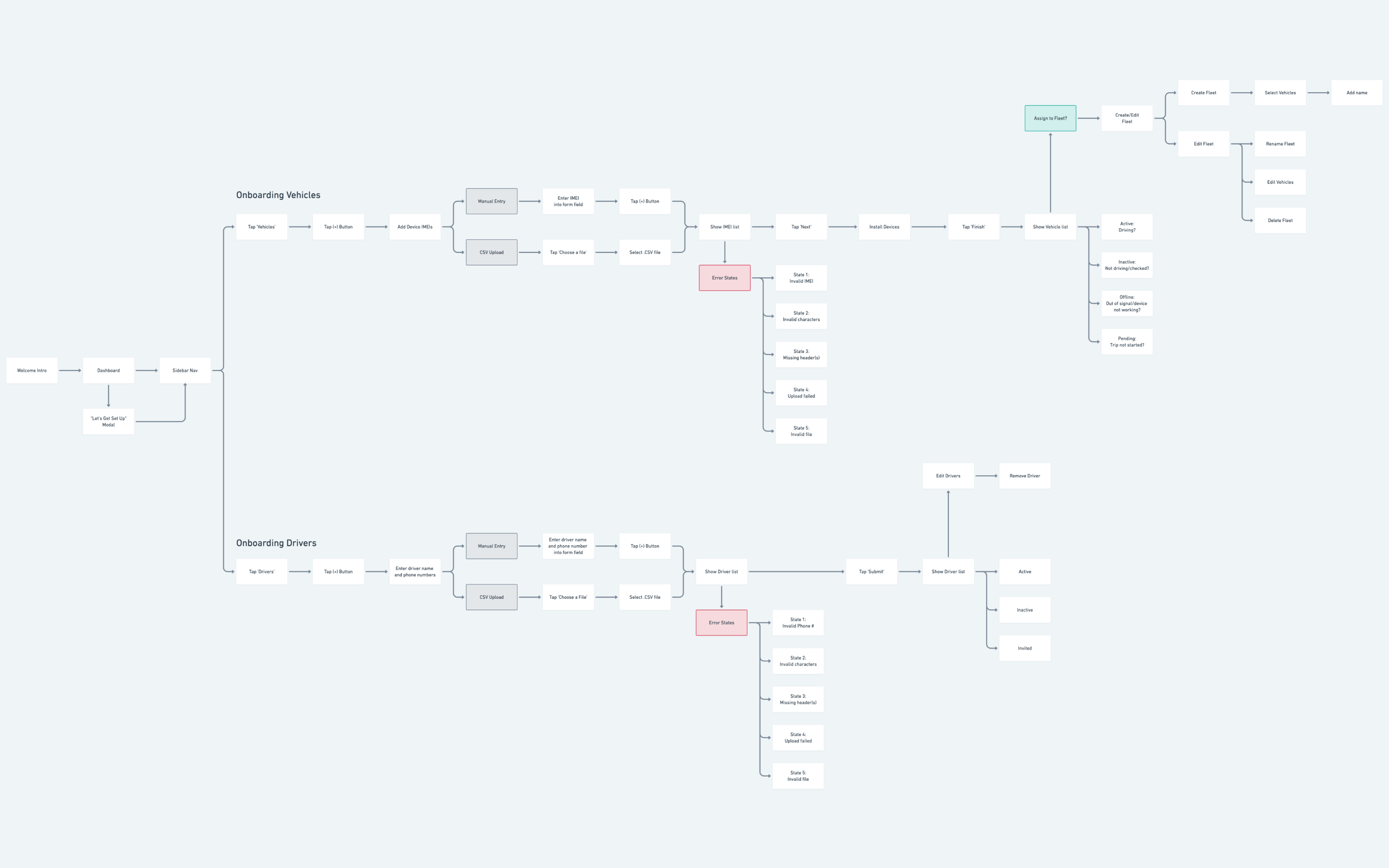
A user flow I created for onboarding managers and drivers in the web app
Moving to low-fidelity screens
I moved onto the wireframes, and then shared these flows with our design team, product managers, developers, and other stakeholders for continuous feedback and iterations.
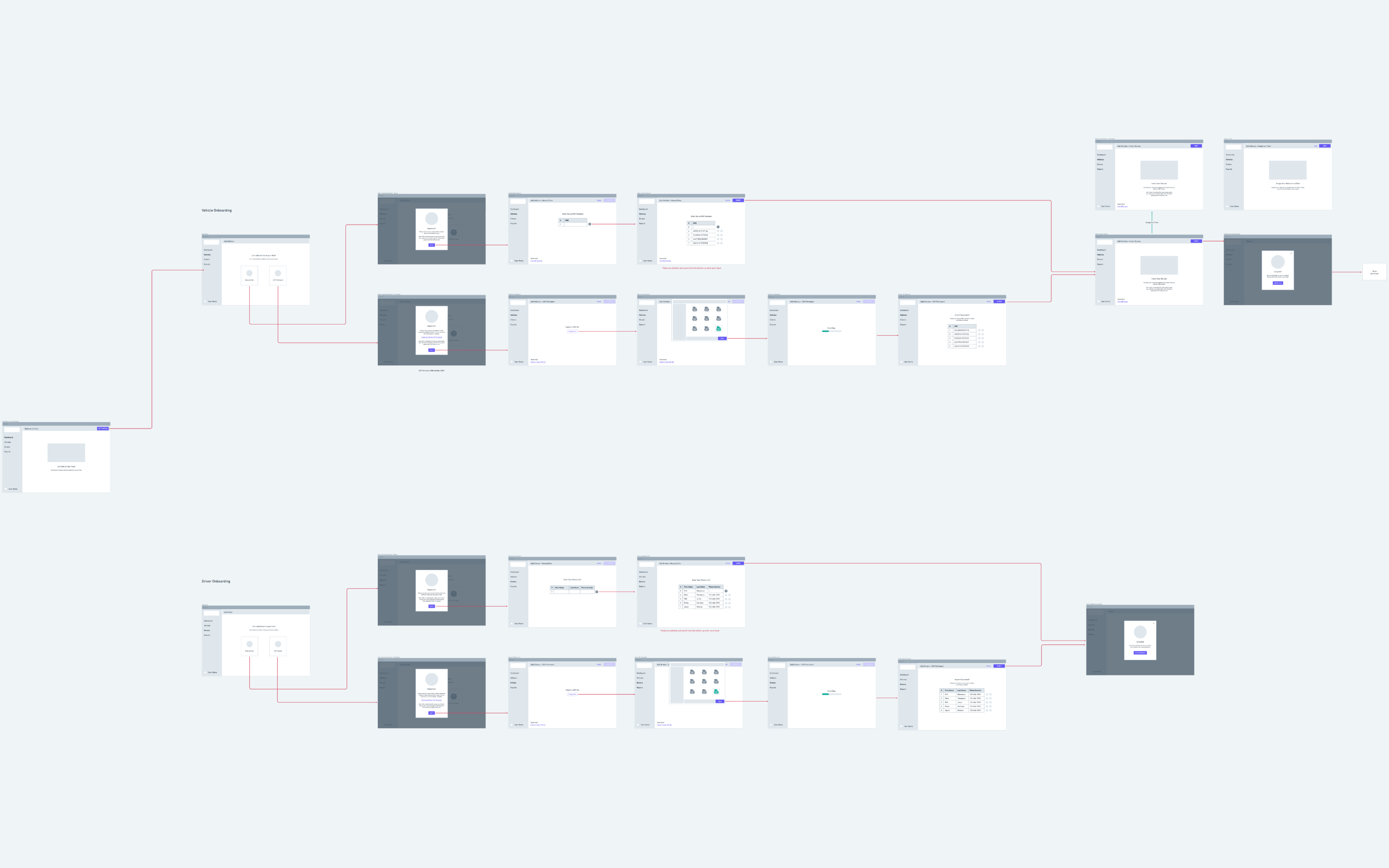
A wireframe flow I created for onboarding managers and drivers in the web app
From wireframes to prototypes
I built initial prototypes using our wireframes so we could accomplish quick iterative testing and gain feedback from our group of beta testers.
A wireframe prototype I created for user testing the Mobile Manager app
A moment of delight
To educate our users, as well as add a little fun to our product, I designed a short animation for our value propositions that would appear when initially opening the app.
An intro animation I created to show our value propositions
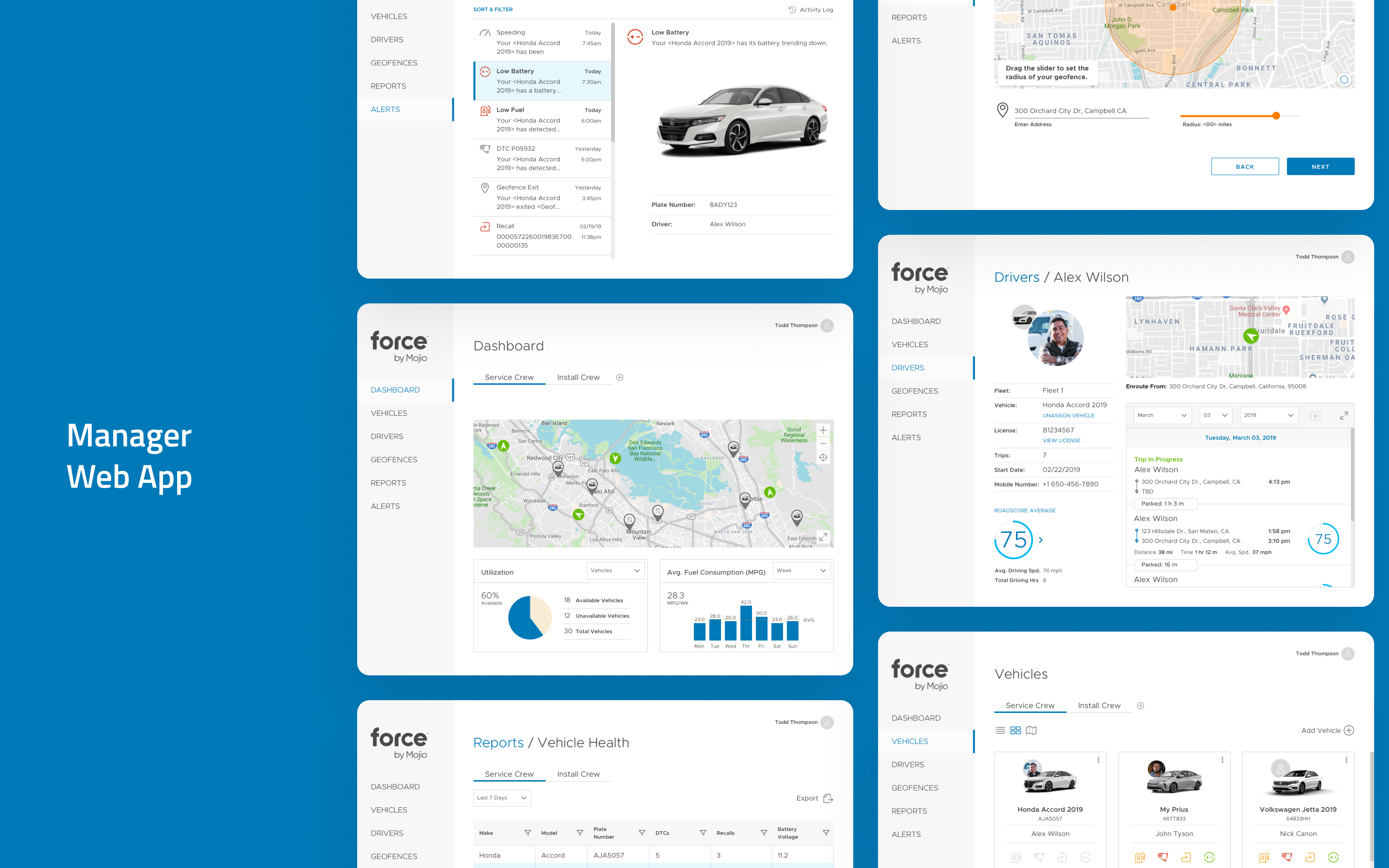
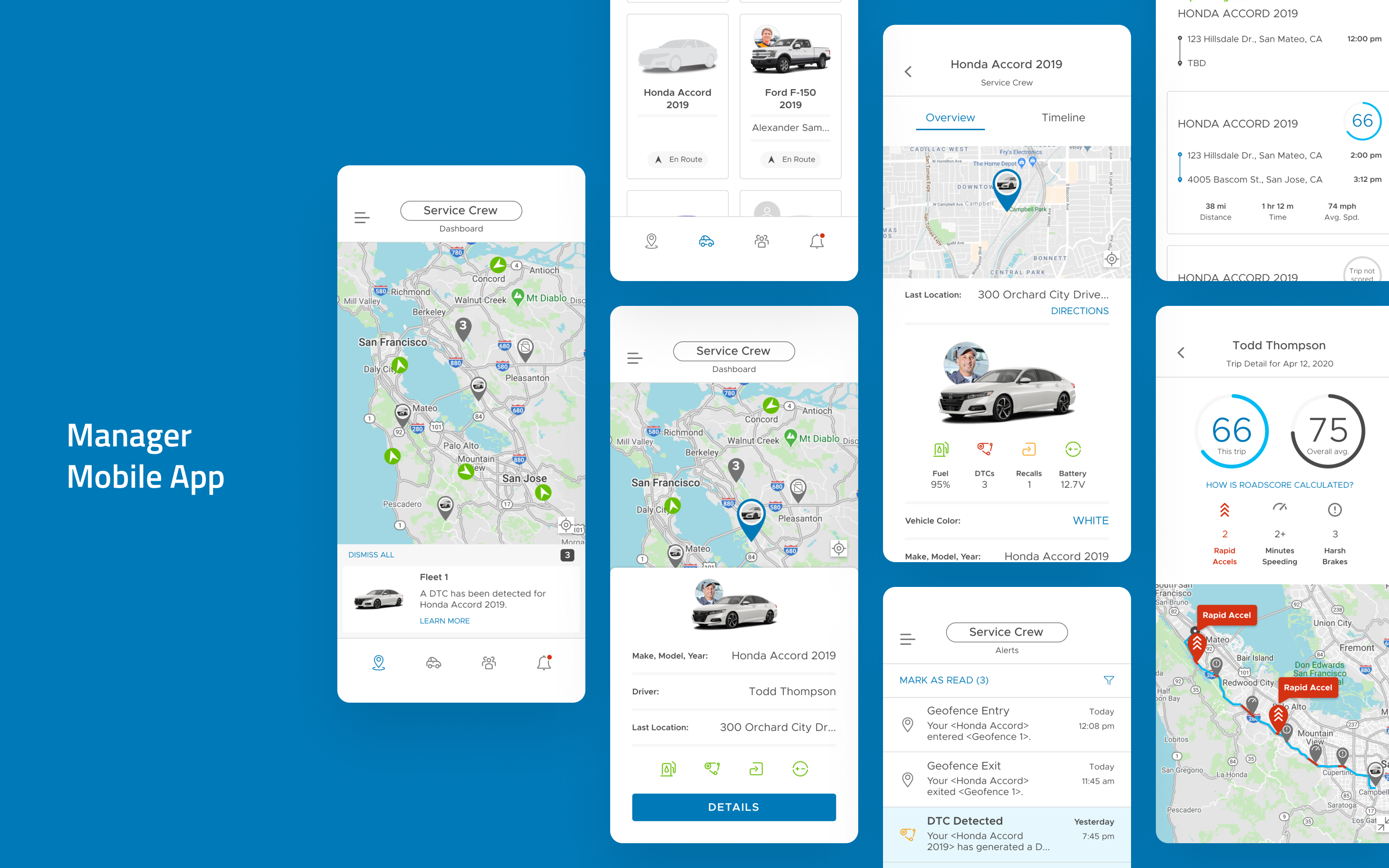
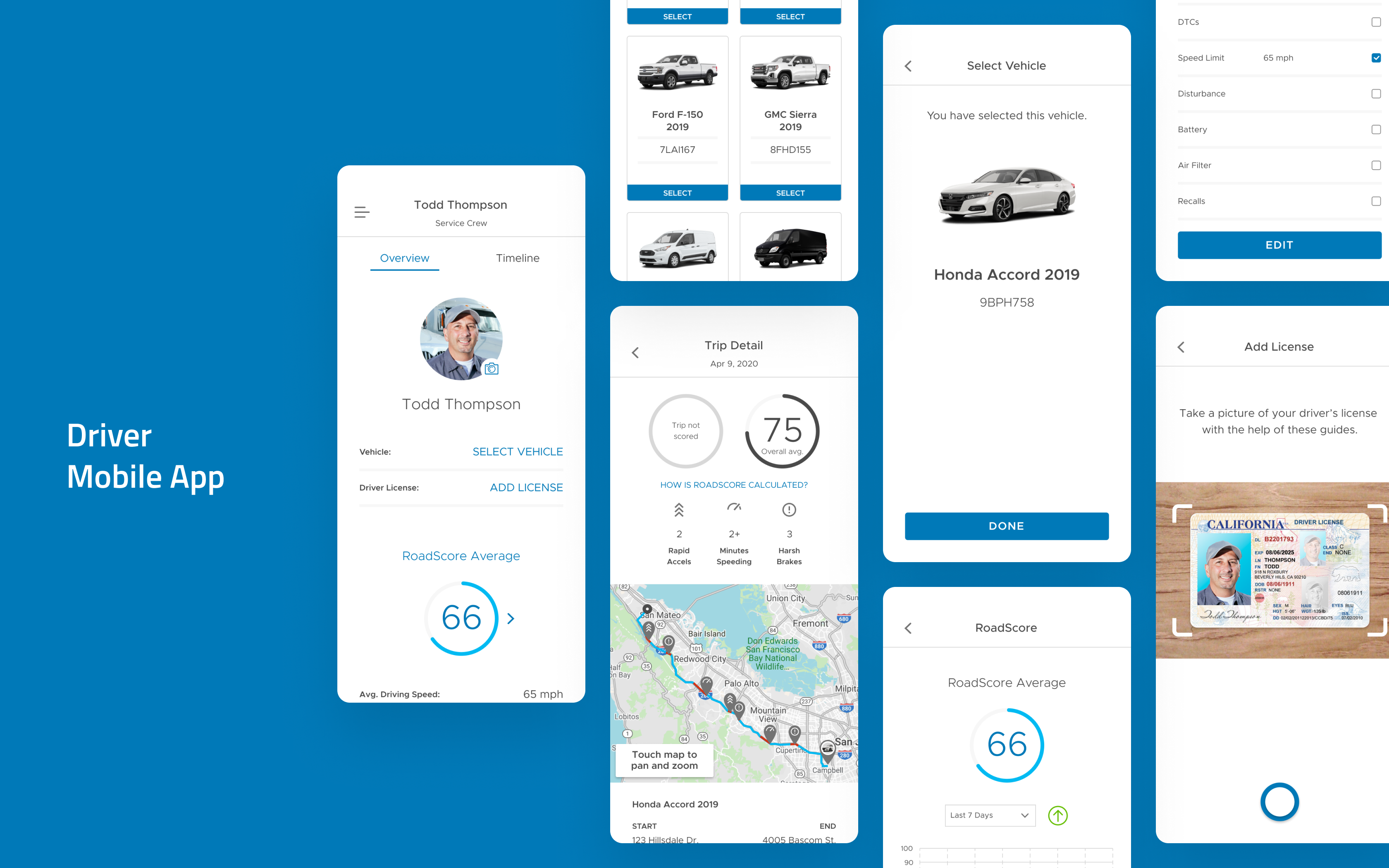
The final designs
As screens were finalized, we would systematically upload our designs to Zeplin, where I’d make sure that all text styles, color styles, and components were accounted for in Zeplin's global styleguide. From then on, it would be a continuous iterative process based on the feedback from our product, engineering, and QA teams. Here’s a glimpse of where we landed for MVP.
What was the outcome?
Within the first six months of launch, we successfully onboarded a diverse range of small businesses, from independent electrical to mid-sized contracting firms. Early customer response was overwhelmingly positive, which reflected in a steady growth of active accounts and strong product feedback.
300+
Onboarded within 6 months
240+
Active accounts
4.7/5
Overall rating on app stores
Back Home

